
HIPEC
Hyperthermic Intraperitoneal Chemotherapy, a surgical treatment performed along with
cytoreductive surgery that involves circulation of a hot chemotherapy solution in the
peritoneal cavity.
Advanced HIPEC Cancer Treatment in Ahmedabad
HIPEC (Hyperthermic Intraperitoneal Chemotherapy) is an advanced treatment option for selected cancers that have spread within the abdominal cavity. Combined with Cytoreductive Surgery (CRS), HIPEC helps remove visible tumors and target microscopic cancer cells that may remain after surgery.
This treatment is commonly used for peritoneal surface malignancies and selected cases of ovarian cancer, colorectal cancer, pseudomyxoma peritonei, peritoneal mesothelioma, gastric cancer, appendix cancer, and other cancers involving the peritoneum.

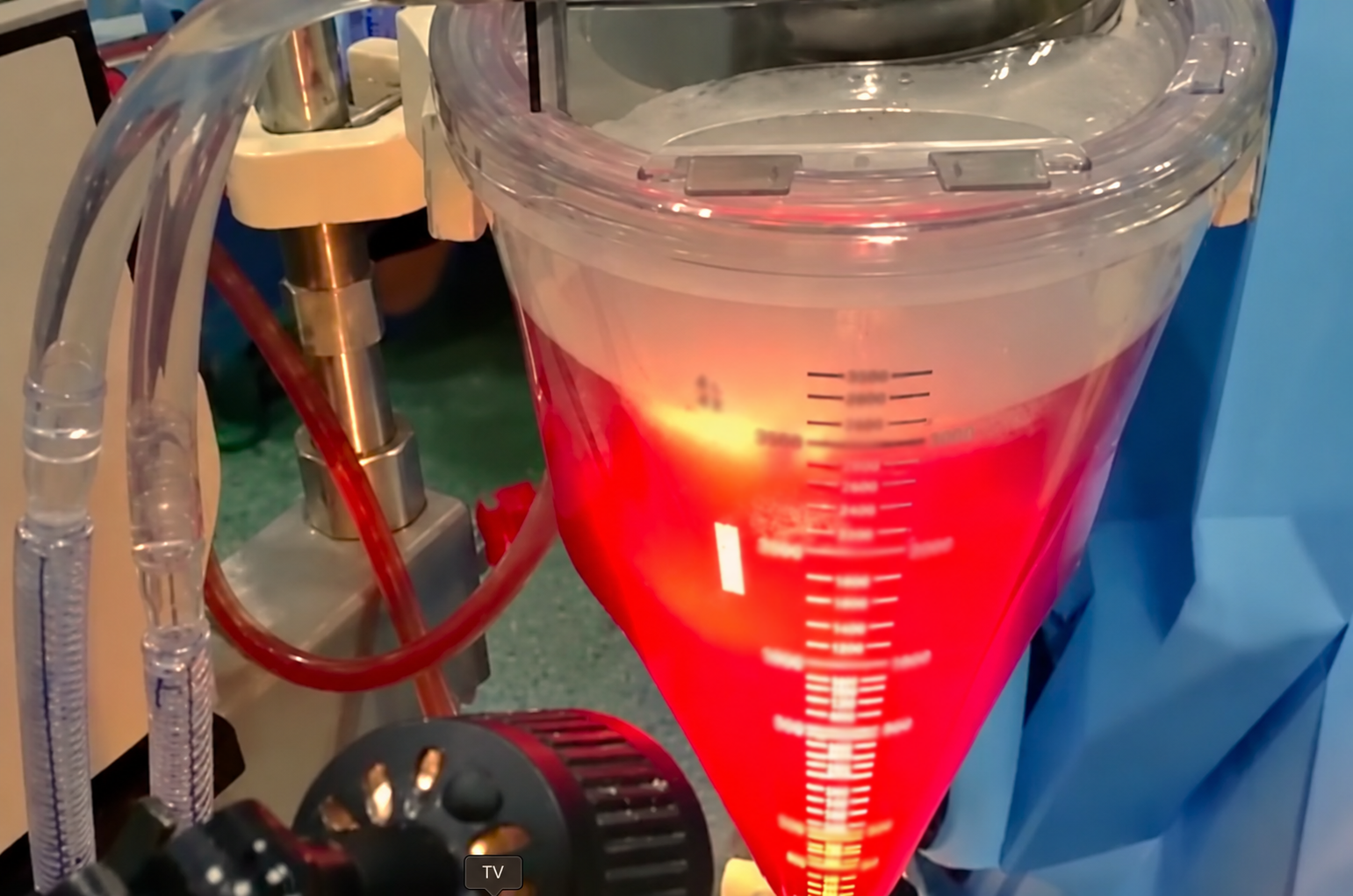
What is HIPEC?
HIPEC stands for Hyperthermic Intraperitoneal Chemotherapy. It is a surgical procedure that is performed in the operating room after all the tumor has been removed with the help of cytoreductive surgery.
HIPEC is performed only once, unlike the intravenous chemotherapy. The chemotherapy drugs that are used for HIPEC may be the same or different from those used for intravenous therapy. The choice of drug also depends on the site of the primary tumor (the tumor from which the peritoneal cancer has arisen).
How Is HIPEC Surgery Performed?
HIPEC involves circulating a hot chemotherapy solution in the abdominal cavity for 60 to 90 minutes. During the procedure, the abdominal cavity is maintained at 41–43 degrees Celsius, which is much higher than normal body temperature. The cavity may be kept open or closed depending on the surgeon’s preference.
HIPEC treatment in India uses machines with a roller pump to circulate the fluid and a heater to heat it. The fluid is pumped in and out through 2 or 3 tubes. The surgery is complete once the entire fluid is pumped out, usually after about an hour and a half.
Different HIPEC machines have varied costs, which are borne by the patient. However, there is no evidence that costlier machines improve treatment quality. The outcome depends on maintaining the abdominal cavity temperature at 41–43 degrees Celsius, rather than the cost of the equipment.
Conditions Treated with HIPEC
HIPEC treatment is commonly recommended for selected cancers that spread within the abdominal cavity. Some of the conditions treated with HIPEC include:
-
Pseudomyxoma Peritonei
-
Peritoneal Mesothelioma
-
Colorectal Cancer with Peritoneal Metastasis
-
Advanced Ovarian Cancer
-
Appendix Cancer
-
Gastric Cancer with Peritoneal Spread
-
Selected Cases of Pancreatic Cancer
-
Peritoneal Surface Malignancies
The suitability for HIPEC depends on the extent of cancer spread, overall health condition of the patient, and detailed medical evaluation by the specialist.
Why HIPEC?
After visible tumors are removed through cytoreductive surgery, microscopic tumor cells may remain in the abdominal cavity and cause recurrence.
During HIPEC, the abdominal cavity is rinsed with heated chemotherapy to destroy these remaining tumor cells and reduce the risk of recurrence. Direct delivery also allows a higher drug dose with fewer side effects than intravenous chemotherapy.
The combination of heat and chemotherapy may improve treatment effectiveness, overcome drug resistance, and is particularly beneficial for microscopic tumor nodules measuring 2–3 mm or smaller.
HIPEC Treatment Side Effects
Some HIPEC treatment side effects may be less severe than traditional intravenous chemotherapy because the chemotherapy is administered directly into the abdominal cavity.
Common side effects may include:
Since HIPEC is combined with extensive surgery, recovery can be physically demanding during the first few weeks. With proper postoperative care and monitoring under experienced specialists such as Dr. Aditi Bhatt, most patients gradually recover and return to daily activities.
HIPEC Surgery Cost in Ahmedabad
The HIPEC surgery cost in India may vary based on the hospital, surgeon’s expertise, surgery duration, ICU stay, and complexity of the procedure. HIPEC is generally more expensive than standard cancer surgery due to the need for major cytoreductive surgery and specialized equipment.
In Ahmedabad, costs may also depend on the organs affected, chemotherapy drugs, and post-operative care. Additional expenses may include diagnostic tests, hospitalization, medications, physiotherapy, and follow-up consultations.
Choosing an experienced HIPEC specialist like Dr. Aditi Bhatt may be more important than selecting treatment based solely on cost.
Consult Dr. Aditi Bhatt for HIPEC Cancer Treatment in Ahmedabad
If you or your loved one is looking for advanced HIPEC cancer treatment in Ahmedabad, consult Dr. Aditi Bhatt for expert evaluation and personalised treatment planning. Early diagnosis and specialised care can help improve treatment outcomes and quality of life.
Frequently Asked Questions (FAQs)
HIPEC treatment is used for cancers that spread within the abdominal cavity, especially peritoneal surface malignancies.
Some discomfort and pain are expected after surgery, but pain management and postoperative care help patients recover gradually.
Recovery can vary from patient to patient, but most individuals may require several weeks to regain strength and return to daily activities.
HIPEC delivers chemotherapy directly into the abdomen, allowing targeted treatment with potentially fewer whole-body side effects in selected cases.
Eligibility depends on cancer type, stage, spread within the abdomen, and overall health condition of the patient.
Yes, cancer can come back after HIPEC surgery, but HIPEC can help reduce the risk of recurrence by targeting microscopic cancer cells remaining in the abdominal cavity.